
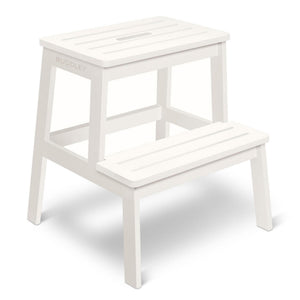
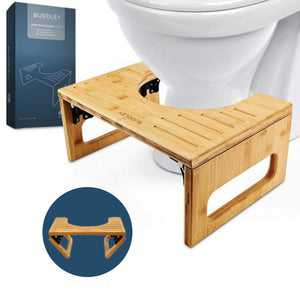
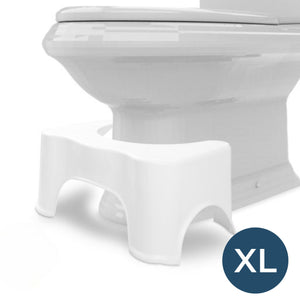
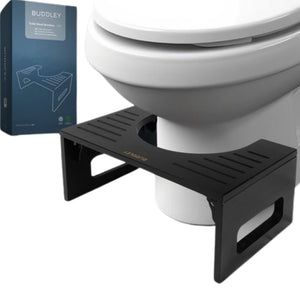
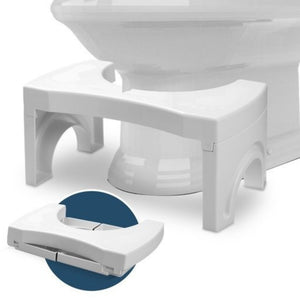
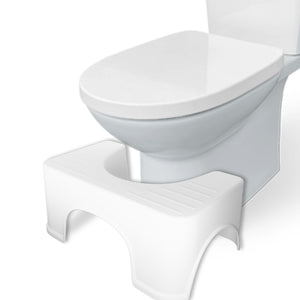
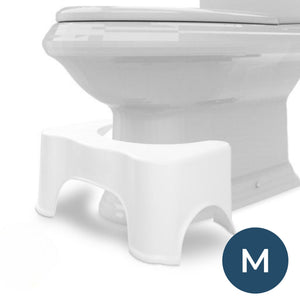
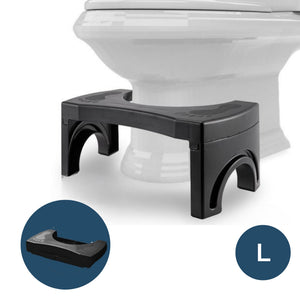
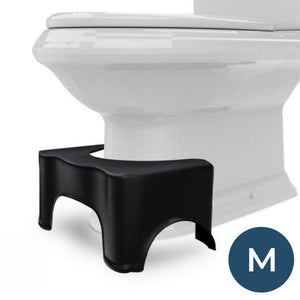
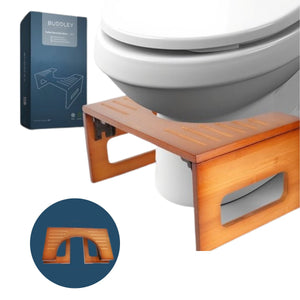
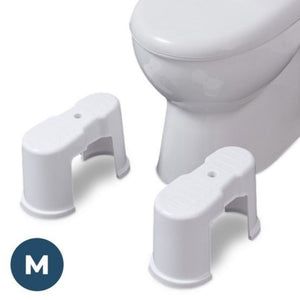
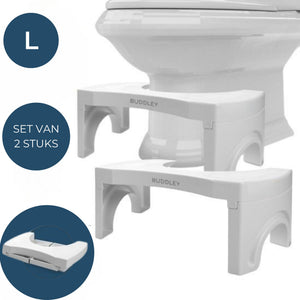
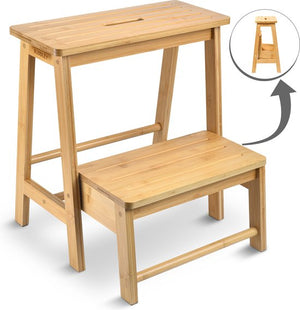
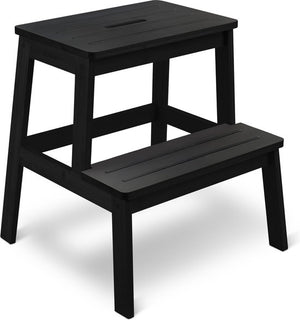
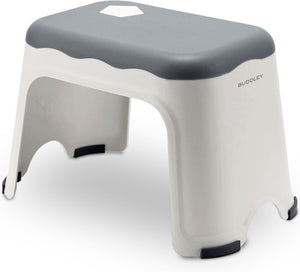
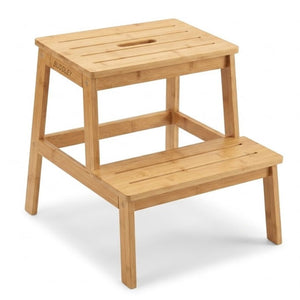
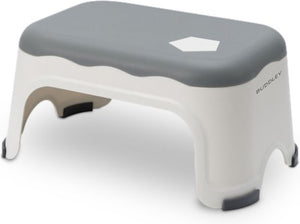
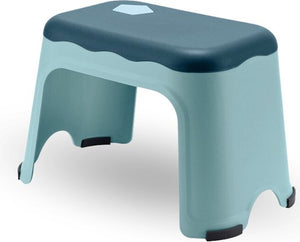
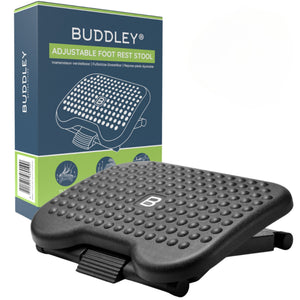
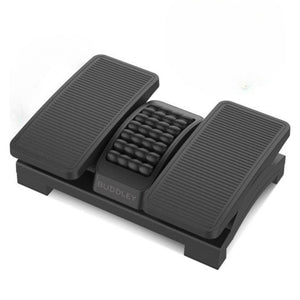
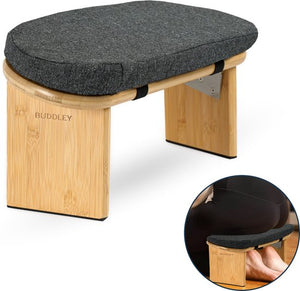
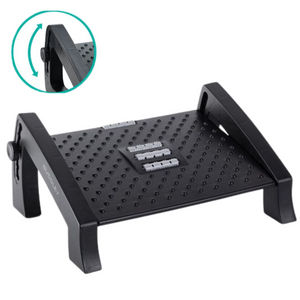
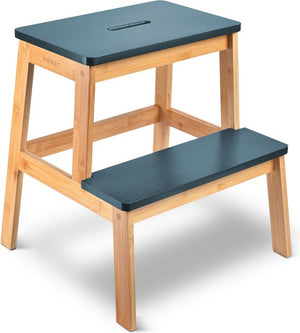
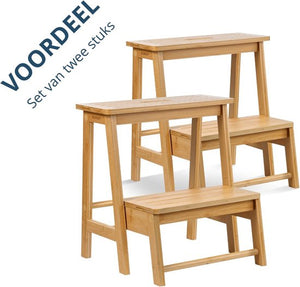
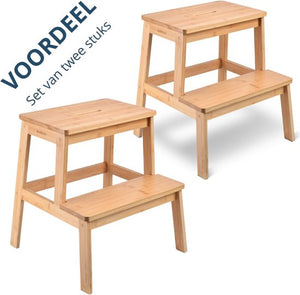
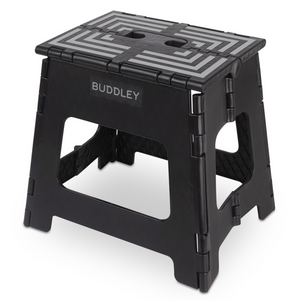
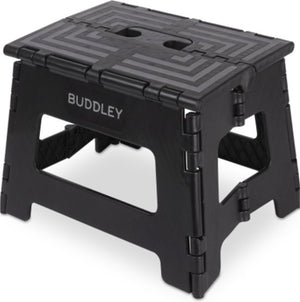
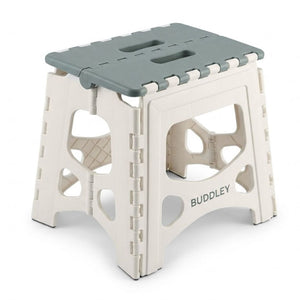
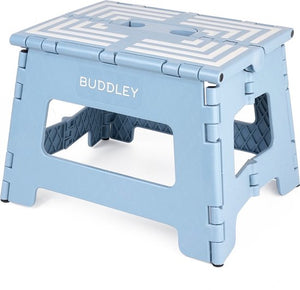
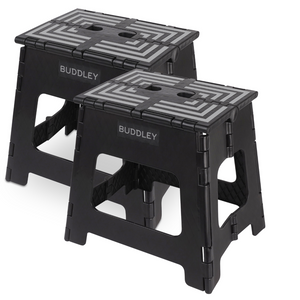
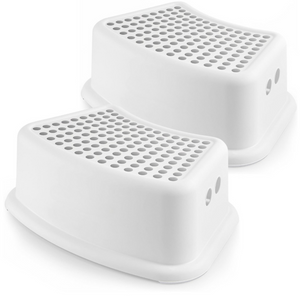
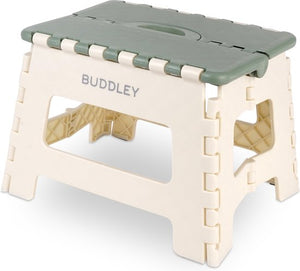
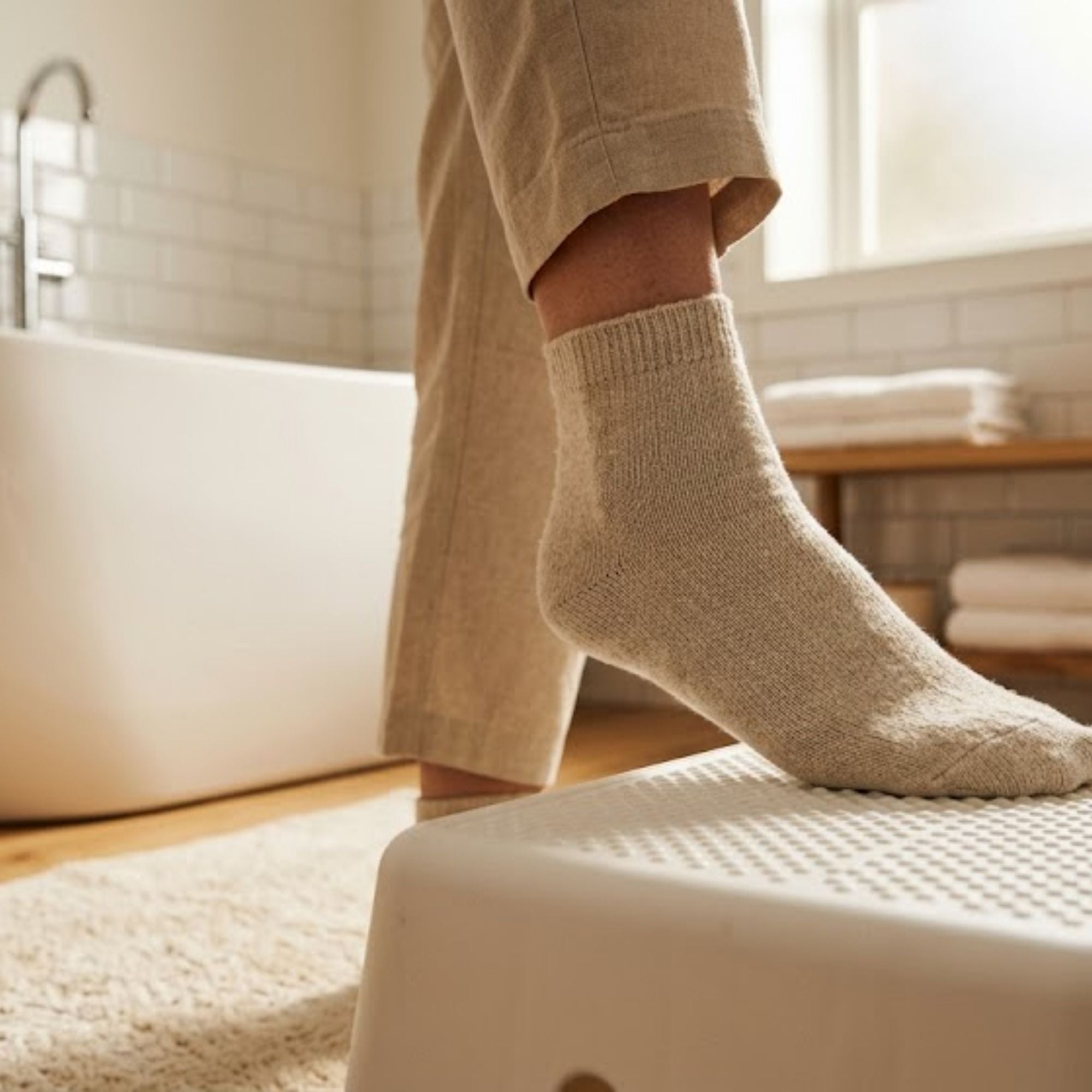
A step stool in the bathroom helps with safely getting in and out of the bath or shower, or reaching a higher sink. Because the surface is often wet and slippery, stability, anti-slip features, and the correct height are more important than with a normal step stool. Below you can read how to choose a suitable step stool and use it safely.
What do you use a step stool for in the bathroom?
The most common application is to reduce the height difference at a bathtub rim or a (high) shower tray. A step stool can also assist with grooming at the sink, for example, for children or people who want to support themselves while sitting. In all cases: the step stool must remain stable on a wet floor and provide enough space to place the foot fully.
Key safety requirements (anti-slip, stability, weight capacity)
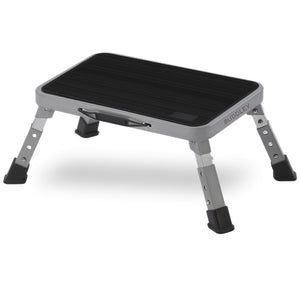
A bathroom step stool is safe if it provides anti-slip on both the top and the bottom. Anti-slip on top reduces slipping with wet feet; anti-slip feet or an anti-slip base limit sliding on tiles. Choose a model with a wide, flat tread and a construction that does not wobble under sideways pressure.
- Anti-slip top surface: profile, rubber, or a textured surface that maintains grip when wet.
- Anti-slip bottom surface: rubber feet or a full anti-slip base; check if this is suitable for slippery floors.
- Weight capacity: use only within the manufacturer's specified maximum load.
- Stability: wide stance and sufficient self-weight or a design that does not tip over.
Choosing the right height: bathtub rim, shower tray, and sink

The correct height depends on the height difference you want to bridge and your own mobility. For a bath, the goal is often to create an intermediate step so you don't have to lift your leg as high. For a sink, it's usually about reach, where too much height can actually cause instability.
Practical measurement method
- Measure the height difference (e.g., floor to bathtub rim or floor to shower tray rim).
- Determine how much you comfortably want to bridge in 1 step; a lower step is often more stable than a high one.
- Test (if possible) with shoes or anti-slip socks whether you can place your foot fully on the step surface.
If you find that you need support when stepping on and off, combine a step stool with a fixed support solution (e.g., a wall grab bar) and, if in doubt, discuss this with a professional.
Material and construction: plastic, wood/bamboo, and metal
Material choice primarily concerns water resistance, cleaning, and grip. Plastic is often practical in wet areas and easy to clean, provided the surface is sufficiently non-slip. Wood or bamboo may be suitable if it is well finished and does not become slippery when wet; pay attention to maintenance and mold formation in seams. Metal (e.g., aluminum) can be sturdy, but the anti-slip surface and corrosion-resistant finish are then extra important.
| Material | Practical advantage | Important consideration |
|---|---|---|
| Plastic | Light, often water-resistant, easy to clean | Check anti-slip and stiffness (no sagging) |
| Wood/bamboo | Stable, can have a wide tread | Finish, water exposure, grip when wet |
| Metal | High structural strength | Corrosion protection and anti-slip contact surfaces |
Step stool with or without handle or railing
A handle or railing can aid balance, especially when getting in and out of the bath. It is not a substitute for a securely mounted wall grab bar, as a loose step stool can move if pulled hard. Only choose a handle if the entire unit is designed to provide support and remains stable during use.
- Without handle: suitable if you have sufficient balance and the step is low and stable.
- With handle/railing: can provide extra support, but pay extra attention to the risk of tipping and placement.
Safe placement on wet tiles (and when you should not use a step stool)

Place the step stool on a flat, clean surface so that feet or anti-slip strips make good contact. Avoid placing it over a sloped area where water drains quickly if that reduces stability. Briefly check before each use whether the step stool does not shift when you put pressure on it with one foot.
It is better not to use a step stool if you frequently lose your footing due to pain, experience dizziness, or lack sufficient leg strength to step down in a controlled manner. In such cases, it is advisable to consider additional aids (such as fixed grab bars, bath board, shower chair) and professional advice.
Maintenance and cleaning
Regularly clean a bathroom step stool to remove soap residue; these can make the surface slippery. Rinse and dry where possible, especially rubber anti-slip parts, so they maintain their grip. Periodically check for cracks, loose anti-slip pads, or damaged feet and replace the step stool if parts are no longer securely attached.
FAQ
What properties make a bathroom step stool suitable for wet areas?
A suitable bathroom step stool has anti-slip on the stepping surface and anti-slip on the underside, remains stable on tiles, and has sufficient weight capacity according to the manufacturer.
How do you prevent a step stool from sliding on tiles?
Ensure the floor is clean and grease-free, use a step stool with rubber anti-slip feet or base, and test before use that the step stool does not shift under pressure.
Is a step stool with a handle always safer?
No. A handle can help with balance, but the step stool must be designed to absorb those forces stably; otherwise, it can tip over or move.
What height is usually practical for a bathtub rim?
That depends on the bathtub height and your mobility. Measure the height difference and choose a height where you can place your foot fully on the step and step on and off in a controlled manner.
When should you replace a step stool?
Replace it if it wobbles, has cracks, anti-slip parts come loose, or if feet are worn, making it slide more easily.