
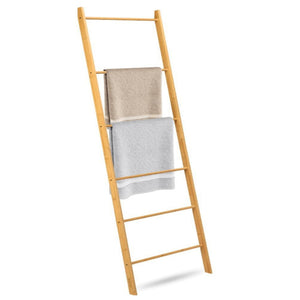
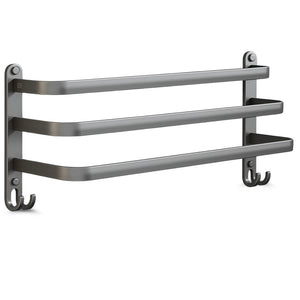
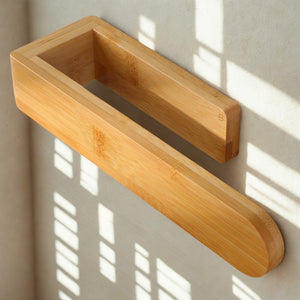
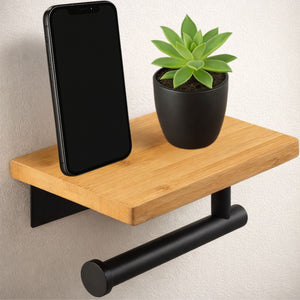
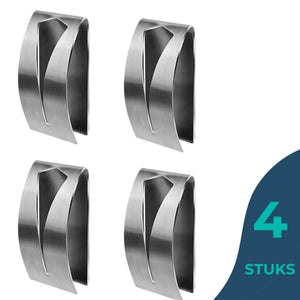
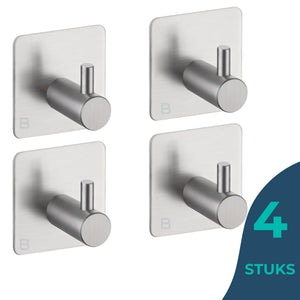
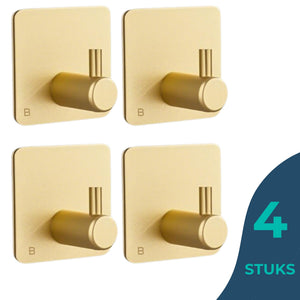
You've got a new towel, a set of keys, or that little painting from the market. And precisely where it needs to hang, there's a tiled wall where you don't want to drill. With good adhesive hooks without drilling, you simply hang it up: no drill, no plugs, no holes. We use them ourselves throughout the house, so we also know where things go wrong. Below, we'll show you what to look out for, which walls they will and won't stick to, and how to attach them so they stay put.
Why you often don't need to drill
Drilling feels permanent. You make a hole, and in a rental home or on freshly laid tiles, that's exactly what you'd rather not do. An adhesive hook takes a different approach: a strong 3M strip on the back, press firmly, done. No drill dust over your sink, no plugs, no damage if you move later.
And it saves hassle. You hang a hook exactly where it's convenient: next to the shower, behind the kitchen door, next to the front door for the dog leash. Without having to measure and vacuum first. A small, honest point: an adhesive hook carries less weight than a drilled hook. For a heavy mirror or a full tool rack, it's better to stick with screws. For towels, coats, and kitchen items, an adhesive hook is more than sufficient.

What to look for in adhesive hooks?
Not every adhesive hook is the same. Check these points before you buy anything:
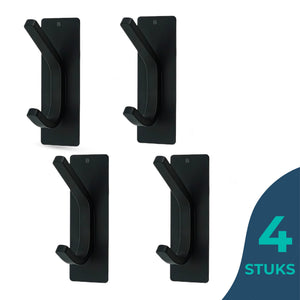
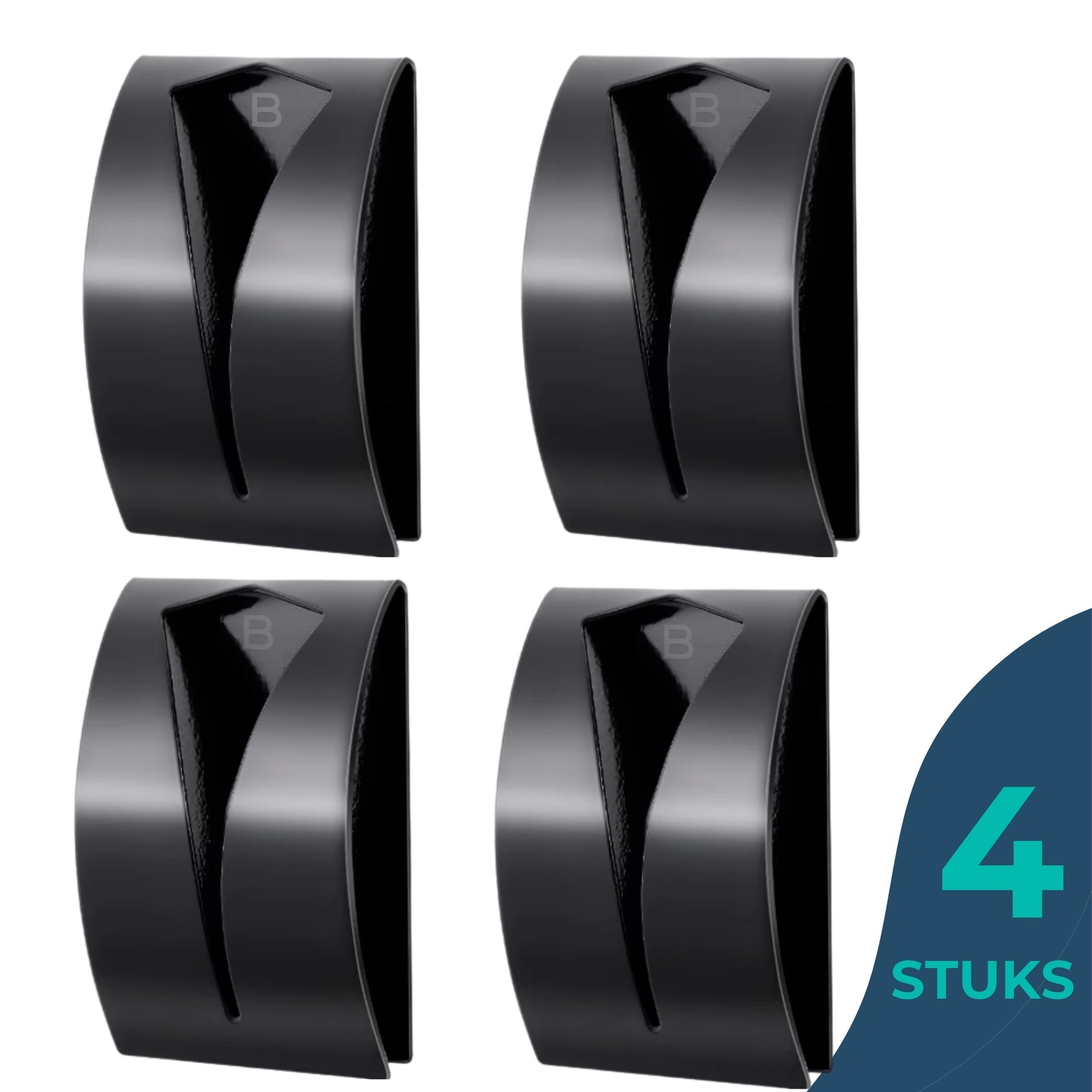
- Load capacity. See what the hook can handle versus what you want to hang on it. A wet towel weighs more than you think. Our self-adhesive stainless steel hooks (set of 4) can easily hold a towel or coat; if you're hanging something heavier, distribute it over two hooks.
- Material. Stainless steel doesn't rust and can withstand moisture, making it ideal for the bathroom and kitchen. Plastic is cheaper but discolors faster in a sunny spot.
- Surface. Adhesive hooks need to be smooth and flat: tiles, glass, painted wood, a smooth wall. They won't stick to wallpaper or rough stucco. We'll come back to that.
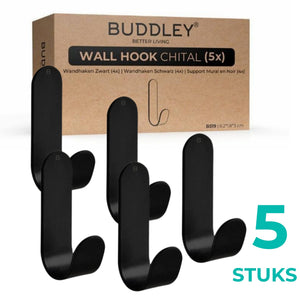
- Finish. Black, silver, or matte gold: choose what matches your faucet or cabinet handles. Then the hook won't stand out as a separate item on the wall.
- Quantity. It's better to buy a set than a single hook. You're guaranteed to find three more spots where one would be useful.

On which walls do adhesive hooks stick, and on which do they not?
This is where it makes or breaks it. An adhesive hook can be ever so strong, but on the wrong surface, it will come loose sooner or later.
Do: smooth tiles, mirror and glass, a painted or varnished smooth wall, metal, varnished wood. The condition is always: clean and grease-free.
Do not do: wallpaper (the strip will pull off the paper instead of vice versa), rough or painted brick, untreated or porous stucco, and walls that are still damp. If you're unsure about your surface, first stick a test hook in an inconspicuous spot and hang something light on it for a day.
Honestly: if you only have rough or porous walls, drilling is simply more reliable. A hook that falls off every other week will cause you more annoyance than one neat hole. If you want to furnish your entire bathroom without drilling, our article on choosing a towel rack for a small bathroom will help you further.

How to stick them so they stay put
Most adhesive hooks that come loose are not faulty. They were applied incorrectly. With these five steps, it will stay put:
- Clean the spot. Wipe the tile or wall with some alcohol or glass cleaner and let it dry. Grease and dust are enemy number one.
- Determine the height before you stick it. A strip adheres strongest during the first press. You don't want to have to reposition it afterward.
- Press firmly. Peel off the film and press the hook firmly against the wall for half a minute. That does more than you think.
- Wait before hanging. Give the adhesive 24 hours to cure before you hang any weight on it. This is the point most people skip.
- Start light. First hang something light, then you'll be sure it's secure before the heavy towel goes on.
Do you ever want to remove it again? Heat the strip with a hairdryer and slowly pull it straight down. Usually, your tile remains intact.
Want to look around? Here are all our adhesive hooks in a row, from stainless steel to matte gold, in every color. 👉 View the adhesive hook collection
Frequently asked questions
Do adhesive hooks really hold?
Yes, on a smooth, clean, and dry surface, they hold perfectly for years. Failure almost always occurs due to grease, dust, or a rough wall, not the hook itself. Clean the spot well and give the adhesive a day to set before hanging anything on it.
On which surfaces can I stick adhesive hooks?
On smooth and flat surfaces: tiles, glass, mirrors, metal, varnished wood, and a smooth painted wall. They will not hold on wallpaper, rough stucco, or untreated brick. If in doubt, test a hook in an inconspicuous spot first.
How much weight can an adhesive hook support?
This varies by model, but expect enough for a towel, coat, or kitchen utensils. For something heavy, distribute the weight over two hooks or opt for drilling. The load capacity is stated with the product.
Can I use adhesive hooks in the bathroom?
Yes, provided they are made of stainless steel or other water-resistant material. Do not stick them in the middle of the wet shower area but on a dry tile next to it for maximum longevity.
How do I remove an adhesive hook without damage?
Heat the strip for half a minute with a hairdryer and then slowly pull it straight down. The adhesive will soften and release, and your tile or wall will remain intact.
In short: choose stainless steel for damp areas, only stick them on a smooth and clean surface, and give the adhesive a day to set. If you do that, you can furnish your entire house without drilling a single hole. View all Buddley adhesive hooks here and choose the color that suits your interior.